Retro Cutie: A Vintage Handwritten Font Guide
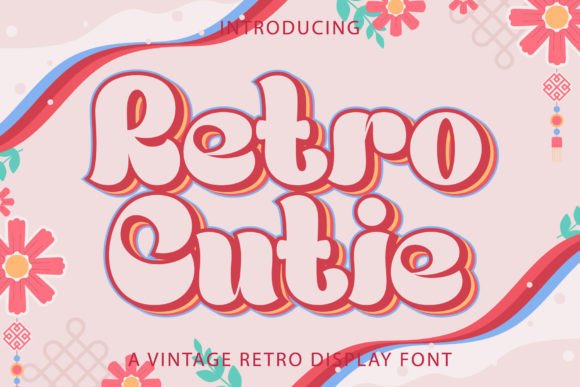
Design trends move in cycles, and right now, the warmth of mid-century aesthetics is making a powerful comeback. At the heart of this visual shift is the need for typography that feels human, approachable, and nostalgic. Retro Cutie emerges as a distinct solution in this space. It is a cool, vintage-style handwritten display font designed to inject personality into digital and print projects. Unlike rigid geometric sans-serifs or overly formal serifs, this typeface offers a relaxed, organic flow that mimics the imperfections of hand-lettering from decades past.
For anyone looking to add that special retro touch to any design idea, understanding how this specific font functions is key. It is not just about aesthetics; it is about utility. Retro Cutie is PUA encoded, which means you can access all glyphs easily without needing complex software workarounds. This technical feature ensures that whether you are using basic word processing software or advanced graphic design suites, the full character set remains accessible.
Why Brand Builders and Entrepreneurs Choose Nostalgia
Small business owners and entrepreneurs often struggle to differentiate their brands in saturated markets. For them, typography is a primary tool for establishing identity. A logo created with Retro Cutie signals approachability and creativity. It suggests that the brand values personal connection over corporate sterility. This is particularly effective for businesses in the lifestyle, food, beverage, and boutique retail sectors.
Consider a local coffee shop aiming to evoke the comfort of a 1950s diner. Using a clean, modern font might feel too clinical. However, applying Retro Cutie to their signage and menu boards instantly creates an atmospheric link to that era. The uneven baseline and varying stroke weights mimic the look of hand-painted signs, fostering a sense of authenticity. For marketers, this translates to higher engagement because consumers are drawn to brands that feel "real" and established, even if the business is new.
The commercial value here lies in versatility. Because the font is designed for display purposes, it works exceptionally well for headlines and logos but should be used sparingly for body text. Entrepreneurs who understand this balance can create cohesive branding packages that include business cards, packaging, and social media graphics that all speak the same visual language.
Creative Applications for Designers and Freelancers
Professional designers and freelancers evaluate fonts based on flexibility and technical reliability. The fact that Retro Cutie is PUA encoded is a significant advantage for this group. It allows for seamless integration into various design workflows. Designers can access alternate glyphs, ligatures, and decorative elements directly through standard character maps, saving time during the creative process.
This efficiency matters when working on tight deadlines. For instance, a freelancer designing wedding invitations needs a font that offers both elegance and whimsy. Retro Cutie fits this niche by providing a handwritten feel that is legible yet charming. It can be paired with a simple serif font for the main details, creating a hierarchy that guides the reader’s eye while maintaining a romantic, vintage vibe.
Moreover, the font’s suitability for social media posts cannot be overstated. In an era where visual content drives engagement, creators need assets that stand out in a feed. A quote graphic or promotional banner using Retro Cutie captures attention because it breaks the monotony of standard digital typography. For influencers and content creators, this means higher click-through rates and better audience retention.
Educators and Hobbyists: Accessibility Meets Creativity
Not everyone using Retro Cutie is a professional designer. Educators, hobbyists, and DIY enthusiasts also benefit from its user-friendly nature. For teachers creating classroom materials, a friendly font can make learning resources more inviting for students. Worksheets, certificates, and bulletin board headers gain a playful quality that reduces anxiety and increases engagement.
Hobbyists involved in crafts such as scrapbooking, card making, or home decor projects find value in fonts that translate well from screen to print. Since Retro Cutie is a display font, it retains its clarity even when cut out of vinyl or printed on sticker paper. This makes it ideal for custom labels, gift tags, and personalized stationery. The ease of access to all glyphs means that even users with limited technical skills can create professional-looking designs without frustration.
For beginners, the learning curve is minimal. They do not need to master complex kerning adjustments or advanced typographic rules to achieve a good result. The inherent irregularity of the handwritten style forgives minor alignment errors, allowing novices to produce polished work quickly. This boosts confidence and encourages further exploration of design principles.
Evaluating Fit for Your Specific Project
Deciding whether Retro Cutie matches your goals requires assessing your project’s tone and audience. If you are designing for a law firm or a financial institution, this font may be too casual. However, for creative industries, hospitality, events, and personal projects, it excels. Here are some practical considerations for different user types:
- Logos and Branding: Use it for the brand name or tagline to establish character. Avoid using it for legal disclaimers or detailed contact information.
- Invitations and Stationery: Pair it with a neutral sans-serif for readability. Ensure there is enough contrast between the font color and the background.
- Social Media Graphics: Keep text short and impactful. Use large sizes to highlight the unique curves and strokes of the letters.
- Packaging Design: Test print samples to ensure the ink spread does not obscure the fine details of the handwritten style.
The priority for each user varies. Professionals prioritize reliability and encoding standards. Business owners prioritize brand alignment and customer perception. Hobbyists prioritize ease of use and aesthetic appeal. Retro Cutie addresses these diverse needs by offering a robust technical foundation wrapped in a versatile visual style.
Long-Term Usefulness and Trend Resilience
While trends fade, certain aesthetic qualities endure. The appeal of handwritten typography is rooted in its human element. As digital interfaces become increasingly standardized, the desire for unique, artisanal touches grows. Retro Cutie is positioned to remain relevant because it taps into this enduring preference for authenticity.
For publishers and small business owners, investing in a high-quality display font like this is a long-term asset. It can be reused across multiple campaigns and product lines, ensuring consistency over time. The ability to access all glyphs easily means that as design needs evolve, the font can adapt. Whether you need a special character for a foreign language phrase or a decorative flourish for a holiday campaign, the comprehensive character set supports ongoing creativity.
Ultimately, the value of Retro Cutie lies in its ability to bridge the gap between professional quality and accessible design. It empowers users of all skill levels to create work that feels personal and engaging. By understanding its strengths and appropriate applications, you can leverage this tool to enhance your visual communication effectively. Whether you are crafting a wedding invite, launching a new brand, or simply adding flair to a social post, this vintage-style font offers the perfect blend of nostalgia and functionality.